Birthdays aim the whole room at one chair
A wedding spreads its attention across a ceremony and a room. A birthday points every phone in the building at a single person, a cake and a set of candles — which changes what you print, what the wall shows, and how much room the collection needs.
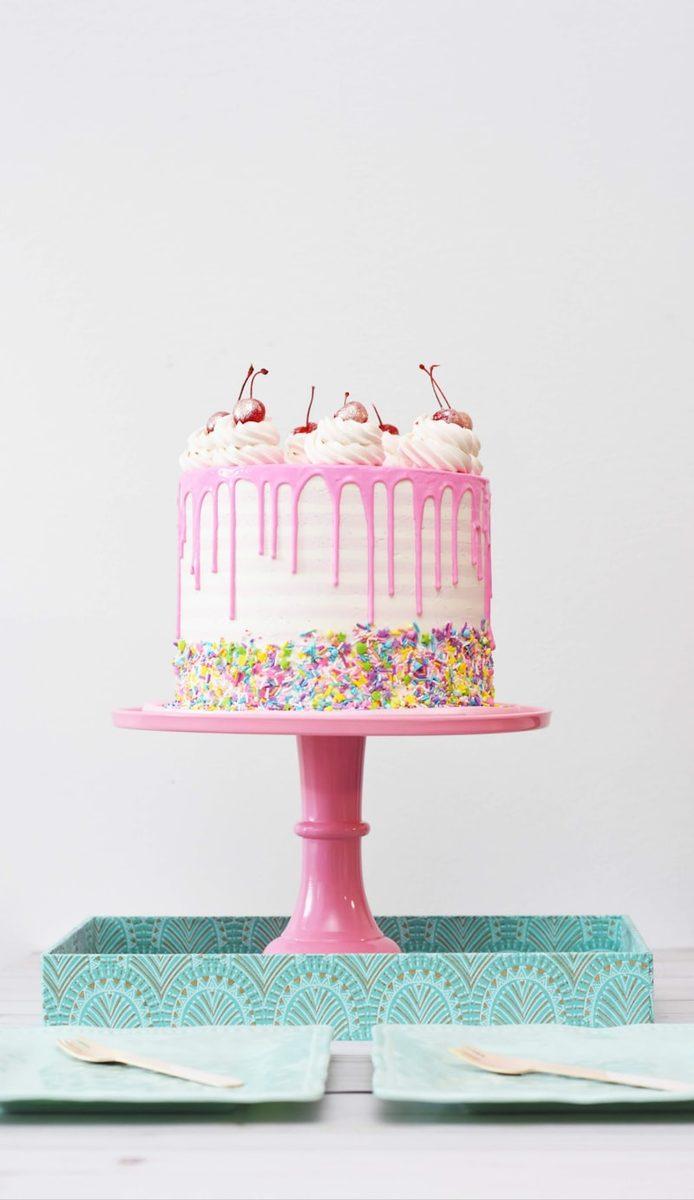
The birthday photograph problem is not that nobody takes pictures. It is that forty people take the same eleven photographs, and none of them end up in the same place. The group shot that mattered is on one phone, the candle moment on another, and the two of them are in different messaging threads that will both be archived by Christmas.
What a birthday produces that a wedding does not
One subject, most of the frames
A third of the collection is the birthday person: at the door, at the table, over the cake, holding a card. A wedding never does this to a couple, and it is the reason a wall playing a birthday faithfully shows the same face a great deal — which is exactly right for one hour and tiring for three.
A heavy early hour
Arrivals photograph immediately, because there is no ceremony to sit through. A birthday collection often fills before the main course, while a wedding waits for the speeches.
Short, funny clips
The singing, the candles, the game nobody wants to explain afterwards. These are the files a messaging thread destroys fastest and the ones a collection keeps at their original size.
Children, if there are children
Which changes the settings rather than the flow: names hidden, the gallery closed to guests, and the download taken by the parent who owns the account.
The package a party needs
The $19 package carries almost every birthday: two hundred photographs, thirty clips, every guest who wants to send, six months online and the whole collection as a download. It is the right size for a house, a restaurant private room or a garden with forty people in it, and the retention outlasts the period in which anybody would still want to look.
Move up for three reasons only. A hundred and fifty guests, or a milestone party where the room is filming everything, wants the larger counts. A fiftieth or a eightieth, where the photographs are going into something printed or handed to somebody as a gift, wants the year or two above it and the original files. And a party where the wall and the filmed wishes are the entertainment wants those two included rather than added for a small amount each.
- Create the collection with the person's name and the age in the title — that is what the guests read on the page
- Print one stand per table, and a couple of single sheets for the bar and the front door
- Put the written link in the invitation as well as the code, for the guests who will not scan
- Decide about the wall before the party, and test it on the television you will actually use
- Turn names off in the gallery if the party is a surprise, and keep the guestbook open
- Download the collection the next morning rather than the next month
For a child's party, the parent who owns the account should be the one who creates it, and the gallery is best left closed so other people's children do not appear on a page a stranger can browse.
A surprise, which is the interesting case
Birthdays are surprised more often than weddings are, and a collection running live in the room gives the game away twice: once in the gallery and once on the wall. The two switches that solve it are on the settings screen rather than in the package — close the shared gallery so the link only accepts uploads, and either do not open the screen address or keep it on a laptop in the kitchen. Guests still send everything; nobody sees it until the moment you decide.
Then the surprise is the collection. Handing over two hundred photographs of yourself, taken by everybody else, at the point the room has just shouted about it, is the reason a few hosts run the wall on a second device and reveal it after the cake.
The wall in a living room
A birthday on a television is not a wedding on a projector. The screen is smaller, the room is closer, and nobody is going to sit through a slow crossfade of the same person holding a cake. Two or three seconds per photograph, a shuffled order so the room stops predicting the next one, and a short clip cap so the singing does not loop for two minutes at a time. The memory-wall look is built for this exact situation, and the polaroid one is the friendliest on a small screen.
Birthday questions
Do the guests need to be told anything?
One line in the invitation and a card on the table is enough. The page they land on asks for a name and nothing else, and there is no app to explain to the people who would not install one.
What happens to the photographs afterwards?
The host downloads the collection and the site stops holding it on a stated date. Six months is long enough that nobody needs it, and short enough that the download actually happens.
Can we keep the wall showing after the party?
It plays whatever is in the collection for as long as the collection is open, so a screen in a hallway can keep running the evening for a fortnight if somebody leaves a laptop on. The files themselves live on the site until the closing date and on your machine afterwards.
Is the guestbook worth it for a birthday?
For a milestone one, more than the photographs. Two thousand characters is a paragraph, and the sign-off list makes it read like a card rather than a comment. Filmed wishes are the part people watch a second time.
Can two people run it?
One account owns a collection. A partner can be given the account, or a second person can print and place cards, but there is no separate manager login to hand out yet.
One line in the invitation is enough for a whole room
Create the collection, print four stands to a sheet, and the group photo nobody organised arrives by itself.
Packages
One price for the collection, chosen before the invitations go out
Every package carries the guest link, the printable stands and the private gallery. Guests never pay and never register.
Something this page does not answer? Write to support@candidphotos.myjoyfullday.com.