The footage already exists
Collect video from wedding guests, from the eleven phones that have it
Somebody filmed the vows, somebody else got the whole of the first speech, and the best clip of the dancing belongs to a cousin you will not see again until Christmas. Collecting it is a routing problem, not a filming one.
Recorded messages and clips, kept alongside the photographs.
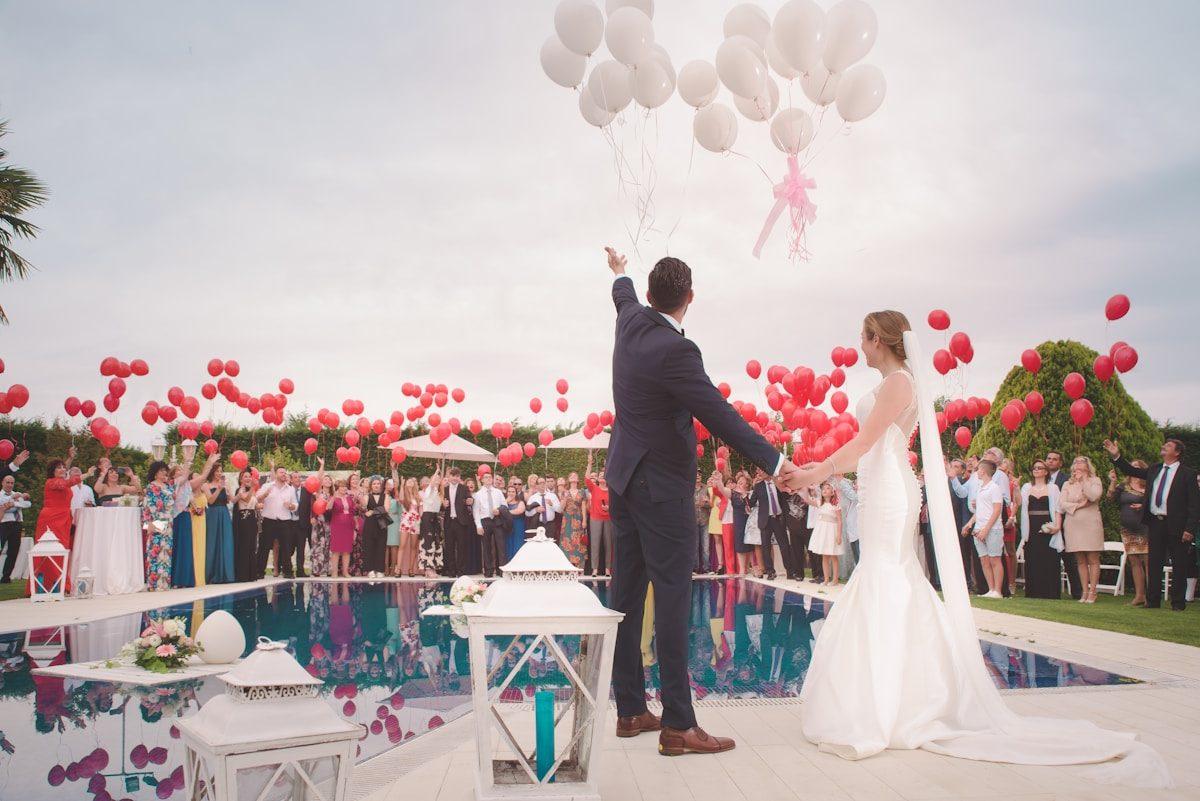
By nine o'clock the footage is on eleven phones
A wedding videographer films the moments they were paid for. Everything else is filmed by guests, which is a larger and much better crew, and the entire difference between a wedding with a hundred clips and one with none is whether you told those eleven people where to put them.
The natural route for guest video is a group chat, and the group chat is where wedding footage goes to be lost. It is compressed on the way in, it is unreadable on the way out, it lands in a thread that three of the families are not in, and it is deleted in the spring when somebody changes handset. A clipped, captioned, dated file that lives in one collection and comes down in one archive is the only arrangement that has ever survived a wedding on the guest-video side.
What follows is the practical version: who holds the footage, which channel actually collects from each of them, what to say out loud, who should be given the job, and what the whole thing costs you in allowance. Nothing here is about making guests do anything difficult. They have already done the hard part, which was filming it.
Who has the clips, in order of likelihood
- The parent with the front-row seat
- Fourteen minutes of the ceremony, shot vertically from the aisle, slightly shaky, and the only footage of the walk in that exists. They will send anything you ask for and they will do it within the week.
- The friend in the third row
- The one who filmed the whole of the best man's speech because they were not going to look at the plate. They have the best audio of anyone in the room and they do not know it is valuable.
- The cousin on the dance floor
- Six clips of varying length, one of them excellent, all of them still in the camera roll in March. This is the group that needs a name and a private message rather than an announcement.
- The children
- Film for forty minutes without thinking about it and hand the phone to an adult afterwards. Somebody needs to take possession of that phone at the end of the night, which is a job rather than a hope.
- The people who are shy about it
- Filmed the vows, will not send them to a group chat, and would be perfectly happy to upload two files to a page at eleven at night. A collection is the only channel that reaches this group at all.
Five channels, and what each one collects
A private message to a named person
The highest yield of anything on this list, and the one hosts skip. Twelve individual messages, each with the address in it, collect the ceremony, the speeches and the dance floor. Generic pleas to a group collect politeness.
A stand on every table
Printed cards with the code collect the guest who is already holding their phone and was going to send something anyway. Four fit on one sheet of A4, and they work best where people sit for a while: the top table, the meal, the late bar.
One announcement, in the right hour
Said out loud once, by whoever is hosting, at the moment before the dancing rather than during the eating. It collects the fence-sitters, who are the majority of a room and who need permission rather than instruction.
The address in the thank-you message
Sent a week later, when the clips are still on the phone and the wedding feels like it might have happened. This channel collects the people who were too busy on the night and are now slightly ashamed about it.
A screen in the corner
Where the slideshow is part of the collection, the photographs and clips that have already arrived play at their own address on the room's television. Guests see their own footage appear, which is the most effective prompt for sending the rest of it.
The announcement that works, word for word
- Say what you want: the video as well as the photographs.
- Say where it goes: one page, the address on the tables.
- Say how long it takes: choose the clip, press send, done.
- Say that the shaky ones are wanted, out loud, in that wording.
- Say when the page closes, and mean it.
- Sit down afterwards; a second announcement is a request with a nudge on it.
Sixty seconds, before the first dance rather than during a meal, by somebody with a reason to be holding the microphone. Anyone can do it and it is better done by the person the room already listens to.
Appoint somebody to hold the phone end of the night
One person, named, in advance
Not the couple, who are being looked at. A sibling or a best person whose job is the collection: they know who filmed what, they have the address, and they can walk over to the cousin with the nine clips and stand there until they are sent.
They take the children's phone
Forty minutes of a dance floor shot from a low angle is the material of the decade and it is on a device belonging to a nine-year-old who will delete it. Somebody needs to be holding that phone at ten o'clock and uploading it that night.
They are paid in drinks and gratitude
This is a real job at a real wedding and it is worth saying so in the speech. The person who did it is the reason the couple has the footage at all, and a collection where every file carries a sender name makes that visible afterwards.
They hand over a list, not a favour
The page shows who has sent what. At two in the morning that list is the difference between chasing three named guests on the Monday and hoping.

Horizontal, vertical, and the ones in between
Every host has the argument about this, and the honest answer is that orientation is not worth a rule. The ceremony footage shot vertically by a grandmother and the first dance shot horizontally by a stranger are both the file that exists, and the collection keeps both exactly as the camera made them, including the rotation the phone recorded.
What is worth asking for is length and steadiness, because those are the things that decide whether a clip is usable. Thirty seconds of a stable frame is a keepsake; four minutes of a ceiling and somebody's ear is a file that gets deleted. One sentence in the announcement, about holding the phone with two hands and stopping when the moment is over, improves the whole set more than any instruction about orientation.
The same goes for the attempts. Ask guests to send the ones they thought were bad, because a wedding collection is not a broadcast and the frame that shook while the bride walked in is the one her sister will want. Every clip that arrives is a clip that exists somewhere other than a single handset, and quantity is worth a great deal more than polish.
The morning after, when the clips stop arriving
Look at the names, not the number
Sixty photographs and four clips is a signal about what the room filmed. The list of senders tells you exactly whose phone still has the good stuff, and it is a shorter conversation than a general appeal.
Message the six people by name
On the Sunday, with the address again and one specific request: the clip from the end of the speeches, the one of the terrace. Named asks get answered; group asks get a thumbs up.
Give a deadline for the page
Say the collection closes for uploads on a date. It changes behaviour in a way that an open invitation never does, and it is true in any case, because every collection has an end counted from the wedding.
Download before you forget the password
The archive comes down with the clips at the size they arrived, the photographs, the written messages and the names. Take it in the first month, put it on two devices, and the wedding has an actual record rather than a hosting arrangement.
What thirty clips does to your allowance
- Clip count
- Thirty on the entry package at nineteen dollars, a hundred at thirty-nine, three hundred at sixty-nine. A wedding that announces the ask properly lands between forty and ninety clips, which is the honest range to plan for.
- Storage
- Five gigabytes on the entry package, twenty on the middle, fifty on the top. Phone video fills that faster than the clip count, and the two limits are independent of each other.
- Raising it
- Fifty extra clips for nine dollars, a hundred for fifteen, charged against the same event. Cheaper than the videographer's footage licence and a great deal better material.
- Time online
- Six, twelve or twenty-four months from the wedding date, with paid extensions of six or twelve months. Video is the reason to take the download early rather than on the anniversary.
Playing the clips, and what to do with them afterwards
Where the slideshow is part of the collection, it plays what has arrived on the room's screen at its own gated address, photographs and clips in the same rotation, each clip held for a length you set and sound as a switch. That is the version the room sees; it is not the archive, and the two are deliberately different things.
Afterwards, the useful jobs are small and specific. Send the parent their own footage back, because the aisle film belongs to them as much as to anybody. Give the videographer the guest clips rather than pretending they do not exist; the audio of a speech is often only in one file and it is a guest's. Then send each named contributor the two clips they sent you, which is a thank-you that costs nothing and is the reason the family does this again at the next wedding.
The paid footage shows the wedding as it was planned. The guest footage shows it as it was.
Questions about collecting wedding video
How do I get video off guests without a group chat?
One address that opens in a browser, sent to individuals by name. A guest uploads the clip from their own camera roll, it is stored at the size the camera made it, and nothing passes through a messaging app at all.
Do guests need an app or an account to send a clip?
Neither. They give a name once, the page remembers it for twelve hours, and no price is ever shown to a contributor.
What is the largest clip a guest can send?
100 MB per file, about four minutes of phone video, which covers any recording of a speech or a dance a guest will reasonably send. Longer films need trimming on the guest's own phone first.
Will the clips still be there next year?
Only if you took the download. A collection closes on a date counted from the wedding, warning mail goes out beforehand, and the archive is the copy that survives.
Can we stop a clip being seen before we approve it?
Yes. There is a switch on the collection settings, off by default, that holds new submissions until the host accepts them.
Are the wedding videos private?
The address is not listed, guest pages are kept out of search indexes, and the gallery view can be closed so a contributor uploads without browsing what other guests sent.
Should we ask guests for video at all, with a videographer there?
Yes, and the argument is audio. A guest in the third row records the speeches better than a camera forty feet away, and the ceremony from the aisle is usually the only one that shows faces rather than backs.
The announcement is the cheap part
Sixty seconds of somebody saying the right thing before the dancing collects more footage than any printed card. Decide who says it, when, and what words they use, before the weekend rather than in the moment.
See the plansGet the footage that the paid crew did not film
Open a collection with video allowed, print the stands, appoint one person to hold the phone at the end of the night, and message six guests by name on the Sunday.
Video and guestbook messages
Put one link on the tables and let everyone contribute.
Create a collection, print the table stands, and the photographs your guests took are waiting for you the morning after. Guests never install anything and never make an account.